

10 Ultimate Destinations for Adrenaline-Junkies
8 October 2018
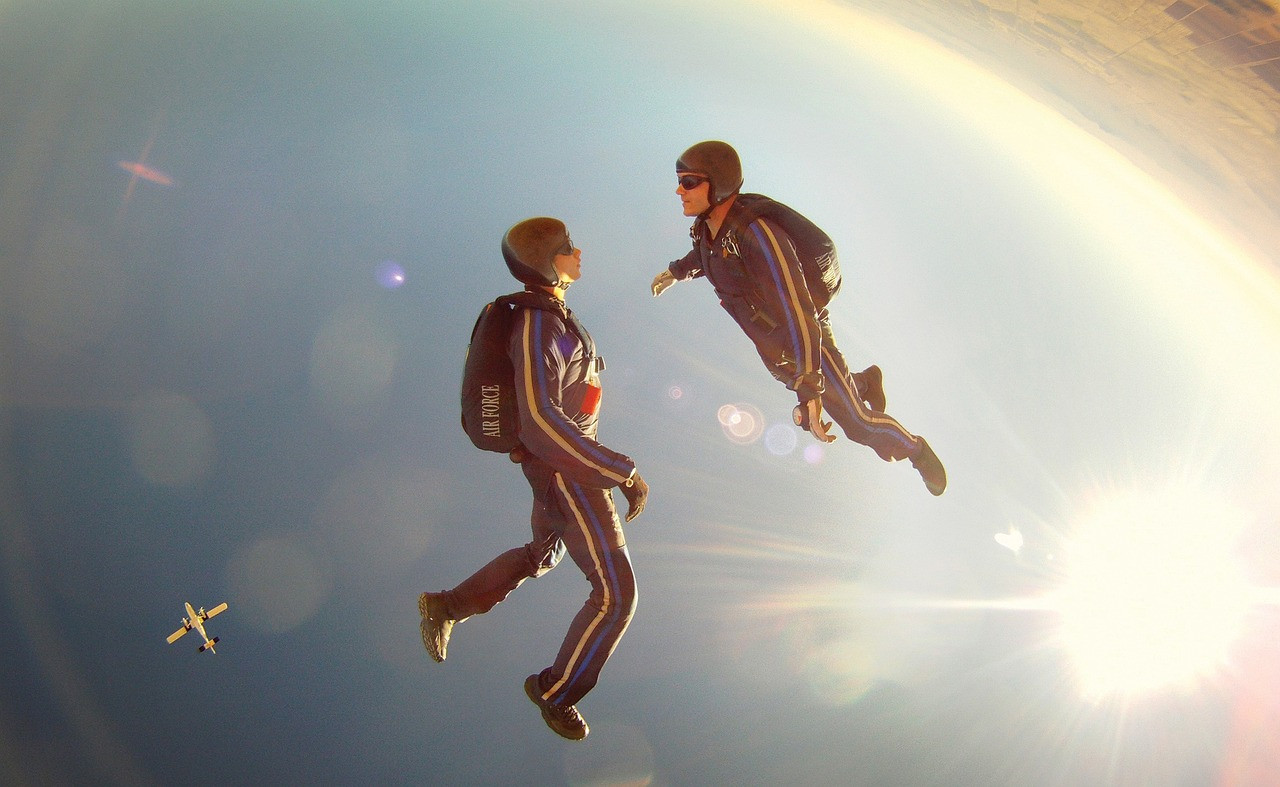
Are you an adrenaline junkie looking for the best of the best when it comes to thrill-seeking vacations? Or maybe you want to try something new and step out of your comfort zone? We’ve rounded up the best destinations for our favourite extreme sports to plan your next trip around!
Best Zip Lines
Advanced: Jebel Jais Flight, United Arab Emirates
The Jebel Jais Flight in the UAE snapped up the Guinness World Record for the longest zip line in February 2018. It’s 2.8 km long and if you take a ride, you can reach over 150 km per hour. You’re strapped into your harness 1,680m above sea level, so if you’re afraid of heights, maybe give this one a miss. If that wasn’t enough to get your blood pumping, then how about the fact that you go down the zip line stomach-down; they call it ‘superman style’, we call it terrifying! The zip line is in Toroverde Ras al Khaimah, an eco-adventure park in the United Arab Emirates, two hours outside Dubai.
Beginner-friendly: Labadee, Haiti
Maybe ziplining over trees isn’t enough for you, so why not take a ride on the world’s longest zip line which flies over the ocean? The Dragon’s Breath line (cool name, we know) starts 500 feet above the beaches of Labadee, Haiti. It stretches 2,600 feet, which isn’t quite as long as the Jebel Jais’ 9,186-foot line.
Best Hikes
Advanced: Rim-to-Rim Trail, Grand Canyon
This is a pretty famous hike in a pretty famous location that every hiker should have on their bucket list. It takes around two to three days to climb down the North Rim to the Grand Canyon village on the other side. Less than one per cent of visitors go on this hike which means that although you won’t be bumping into hordes of tourists, 50,000 people still attempt to complete the route. It’s well worth it if you feel experienced enough to manage, as you’ll see as much natural life on the Canyon floor as you would if you were walking from the Canadian to the Mexican border. The Phantom Ranch at the bottom is reserved over a year in advance but you can also rest at Bright Angel Campground before setting off again the next day. Planning is key with this hike because the Canyon’s floor can reach temperatures of 100+ Fahrenheit (39 degrees Celsius), in summer, and drop into the teens (below zero degrees Celsius) during winter. Although children and older people have managed this trek, the tourist board strongly recommend you train before you hike.
Beginner-friendly: Caminito del Rey, Andalucia
If that’s too tame, then head to the South of Spain where you can trek through El Chorro Canyon - or more accurately, above it. The trail is famous amongst adrenaline junkies, most likely because it was known as the most dangerous walkway in the world. With a pathway which is 350 feet high in some places, but is full of holes and has no safety rails, this was definitely not one for the faint-hearted. In 2000, even though the path had been closed, several climbers attempted it and died. In 2015, they renovated it completely to make it safer and more appealing to tourists, which means you still get the amazing views and incredible wildlife, like golden eagles and honey buzzards, without the fear of death. Is it tamer than the original trek? Yes, but the experience is still well worth it for the scenery. We love this blog post from Matthew at the Expert Vagabond about what it was like to climb it before the restoration, although the picture of the holes in the ground is enough to make your stomach turn!
Best Rock Climbing
Advanced: El Capitan, California
Yosemite Valley is home to a 3,000-foot vertical rock formation which attracts the best climbers in the world. This is where climbing records are continuously being broken. Despite several deaths, climbers still try to scale the granite wall, for instance, Alex Honnold and Tommy Caldwell climbed the Nose of El Capitan in under 2 hours on 6 June 2018. This doesn’t mean you have to be an expert to give it a go as there are classes for beginners. And if you don’t fancy climbing at all, you can stay firmly on the ground and watch everyone else on the rock formations from the El Capitan meadow.
Beginner-friendly: Frankenjura, Bavaria
With over 10,000 different routes, 300 of which are labelled for beginners, this is a great all-rounder when it comes to picking a climbing destination. Most routes at Frankenjura are “short powerful single pitch sports routes that are either vertical or overhanging”. What this means is even if you’re a complete novice, you can spend the day climbing before heading back to the ground and towards the pubs. The region has the highest density of breweries in the world so it’d be rude not to!
Best Rapids
Advanced: Cherry Creek, California
Cherry Creek in Yosemite is the rafting destination for the more experienced paddler as you have to do a Class V paddler’s test beforehand. The rafting route is on the Tuolumne River near the northwest border of Yosemite National Park so you could combine it with a hike or a family vacation. Be aware that it is demanding; there are notoriously difficult sections along the river and a steep 110 feet per mile gradient to navigate. Check out this mile-by-mile guide so you can plan your trip.
Beginner-friendly: Tutea Falls, Rotorua
Tutea Falls in New Zealand is the world’s highest commercially rafted waterfalls at 7 metres (23 feet) high, making it a Class V rapid. For those who aren’t aficionados in whitewater rafting, this means it’s complicated and will get your adrenaline pumping, but you don’t need to be an expert to ride it. You start on the Kaituna River in a raft and go down two smaller waterfalls, Kaituna and Okere Falls, before the big drop. Two guides will go with you, so you don’t need to worry if you have no experience in whitewater rafting - in fact, this is a great place to start! Rotorua Rafting, the company which operates on the river, is all about fun and creating a great experience for everyone. Make sure you pack a towel because sometimes the raft flips over at the end and you find yourself swimming in the pool at the bottom!
Best Diving
Advanced: Galapagos Islands
Fancy swimming amongst penguins, sea lions, sea horses, dolphins and sharks? The Galapagos is the place to go for a clear view of an incredible array of wildlife which is exclusive to the 13 islands and 7 islets. Average temperatures in the water hover in the 20s, depending on the time of year so it really depends when you want to go; it’s hot and rainy from December to June, and for the rest of the year there are cool winds. There are lots of opportunities for snorkelling but divers with the PADI qualifications will adore this haven. Plus, when you’re back on land, there are still the giant Galapagos Tortoises to make friends with. You can’t actually stay on some of the islands as they’re considered a national park and biological marine reserve. Some only allow visitors between 6 am and 6 pm, but others have hotels for visitors: Santa Cruz, San Cristobal, Isabela, and Floreana.
Beginner-friendly: Papua New Guinea
Papua New Guinea is known as the underwater photographer’s paradise because it reportedly has twice as many marine species as the Red Sea and five times as many as the Caribbean. There are diving resorts specifically designed to show off the best of Papua New Guinea’s wildlife and reefs, whilst also not disrupting the ecosystems. Sustainable diving and snorkelling are practised in all good resorts, whether you stay on land or take week-long a tour onboard a diving boat.
What’s on your bucket list? Tweet us @_transfertravel and tell us where you want to try your next extreme sport!