

The Technology Which Is Changing Travel
13 November 2018
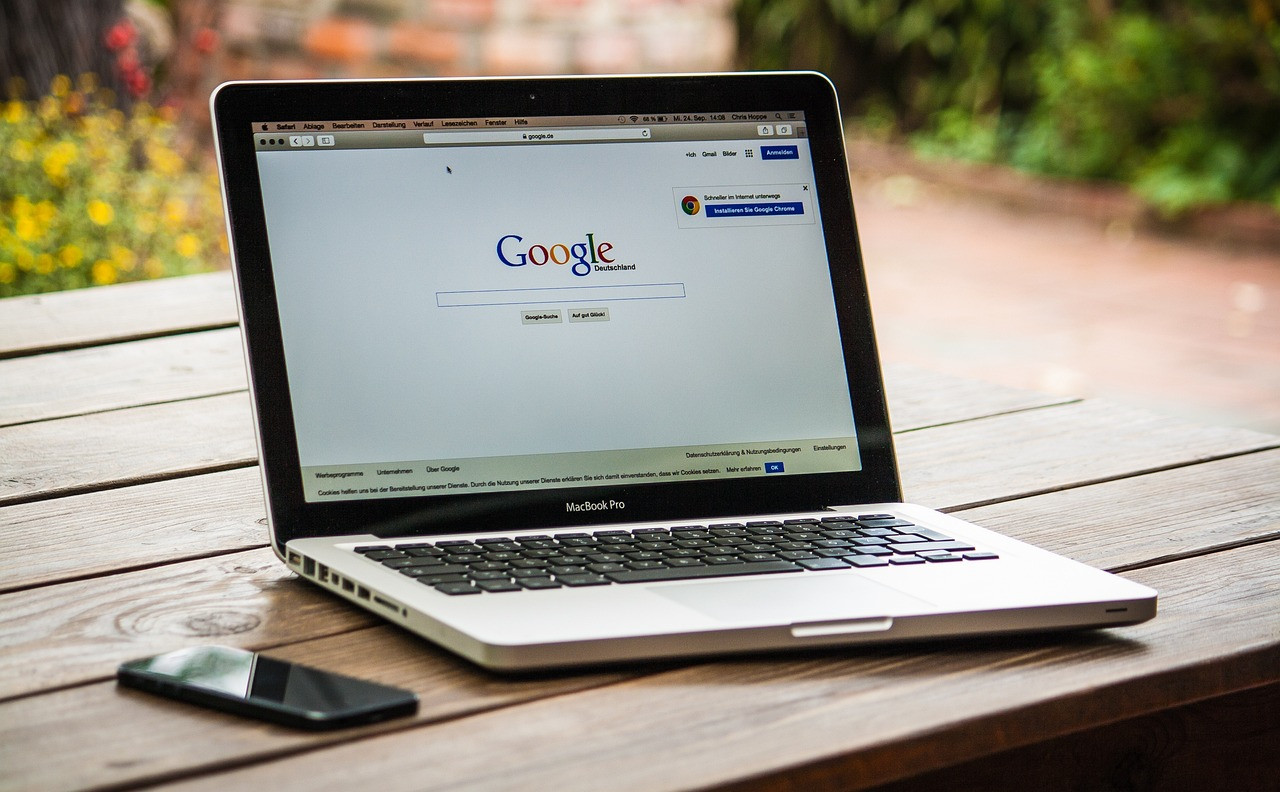
In the 21st century, we’re no stranger to new technology. In fact, we expect innovation. There are more than 700 million iPhones in use in the world, and there were 36.8 million flights in 2017. These numbers are expected to grow, and that’s probably something we see as natural. Are you surprised to know that over 2,000 apps are added to Google Play every day and by 2020, there will over 5 billion apps in the Apple App Store, millions of which are travel-related?
Technology and travel go hand in hand as the former enables the latter. Of course, we can’t expect to travel without the technology of aeroplanes and trains but think about how every step of the planning and booking process is facilitated by continually developing technology. 71% of people book their holidays online, compared to just 13% who use travel agents. Travel agents are decreasing in popularity; the number of agents has halved since 1990 and is expected to decrease a further 12% over the next ten years. You get inspiration from social media, you go to Google for information about different destinations, compare prices on five different websites, book online, research where to stay and what to do. When you arrive, you translate the menu, you use GPS to find your way around, you read blogs about the best restaurants near you. You get the idea.
As disruptors in the travel industry, we’re always looking for what’s new in the travel tech world but it can be difficult to keep up; there are new websites, new apps and new equipment being unveiled every day. So we’ve rounded up four stories which have caught our eye lately and made a guess at where travel tech is heading.
The Power of Instagram
Have you ever been scrolling through your Instagram feed and stopped to like a beautiful beach or stunning skyline? Perhaps you’ve sent your friend the usual message of “omg we need to go here!” Look&Book is easyJet’s solution, allowing you to screenshot a picture on Instagram and book a flight to that destination with them. We’ve already delved a little into the world of Instagram and how it is influencing how we travel, but the most interesting thing about the app is if people will actually use it. It seems entirely logical for this app to exist considering how 42% of people would purchase travel based on an Instagram recommendation, so we want to know why other airlines and travel providers haven’t followed suit and created their own version of Look&Book. If social media is where your customers are, then surely it would make sense to make it as easy as possible for them to buy from you. However, as you’ll see below, maybe AI is more effective…
Book Your Vacation With Your Voice
Imagine you’re sat in your living room with a good friend or your partner who says how much they’d like to visit Rome (you, of course, agree that this is a fantastic idea and you should see how much flights cost). Instead of having to spend time on your phone searching for dates and prices, you can just say ‘Alexa, ask Kayak, how much are two return flights to Rome from London Gatwick?’ Alexa will then tell you how much the flights are on Kayak. This technology is a few years old now. In 2016, you could only search for travel plans through Kayak using Amazon’s Alexa; in 2017, they revealed that you can actually book hotel rooms. So instead of just being told how much your flights and hotel will be, you can also pay for them without lifting a finger.
For those who travel for business, this sounds like it has the potential to work, but there seem to be major flaws if you’re planning a big family holiday or romantic getaway. First of all, we think that if you’re paying hundreds or thousands for a vacation, you want to see where you’re going. Choosing a resort for your summer break isn’t just based on price, but how it looks. Plus, if you read our article about the impact of Instagram, then you’ll know that visuals are incredibly important when it comes to choosing a destination.
Using Your Face As A Passport
As in your actual face, not the tiny picture of you that either makes you look grumpy or a criminal. In the near future, you might not have to rummage through your bag trying to find your passport. So far, fourteen airports in the U.S. adopted a new facial comparison biometric system on 20 August 2018. What this does is identifies people with scans of their eyes, fingerprints and face to check documents and passengers. Not only does it speed up the whole checking in and boarding process, but it also can tell if people are using fabricated or stolen travel documents. For airports, this is fantastic news. However, if you concerned about data protection, this may sound like a worrying development. CBP (U.S. Customs and Borders Protection), who developed the system, say that information is only stored for 14 days but some people have criticised the technology for not being clear about how it’s used.
Good news which came out of the new biometric technology is that within three days of it being installed, they found someone trying to use a passport that wasn’t theirs. The implications of the technology’s effectiveness could mean that people who could put others at risk will be more likely to be identified. So the question is whether increased security outweighs the collection of personal data like your fingerprint?
Google Predicts Your Trips
In September 2018, Google launched a new trip planning function which uses your previous searches to compile a ‘Potential Trip’. Google already reads through emails and bookings to put all your reservations and tickets together in the Trips app but what this does track where you’ve been thinking about booking and suggests a possible trip itinerary to suit you. This is also informed by your past trips, where you might have stayed in a hostel or a luxury hotel, or you only ate at vegetarian restaurants. Google will recommend something similar and collate all your searches to show you the trip you could book.
We think it’s a pretty cool idea. If you’re worried about data protection, then it’s important to note that none of this is information that Google doesn’t already store about you. It just compiles all this data into a nice little folder to help you make decisions about your vacations.
The Future…
Much like every other industry, travel is going to change drastically as AI becomes further integrated into our decision-making and our purchasing journey. It knows who you are, what you’ve done and what you want, and that might not be as scary as it sounds. What if you had vacations which were perfectly curated for you instead of having to trawl through thousands of options online? Or if you could avoid huge queues in the airport and spend less time standing around? The thing is, this information is going to be collected one way or another so we might as well use it to our advantage.
At the end of the day, we’re only scratching the surface on what is out there. There are new developments every single day which are evolving the travel industry as we speak (or write). Our philosophy is that travel technology should be innovative and champion the human being behind it all. We are helping to revolutionise how you buy travel by showing that, in an increasingly technical world, peer-to-peer marketplaces like ours are more important than ever.
Is there any new travel tech that you’re loving right now? Send us a tweet @_transfertravel and let us know!
Make sure to check us out in the 2018 Travolution Awards shortlist for Start-up of the Year and the Isle of Man Awards for Excellence shortlist for Innovation and Independent Thinking.