
Post-Pandemic Travel: Lessons, Challenges and Recovery Strategies
9 May 2024
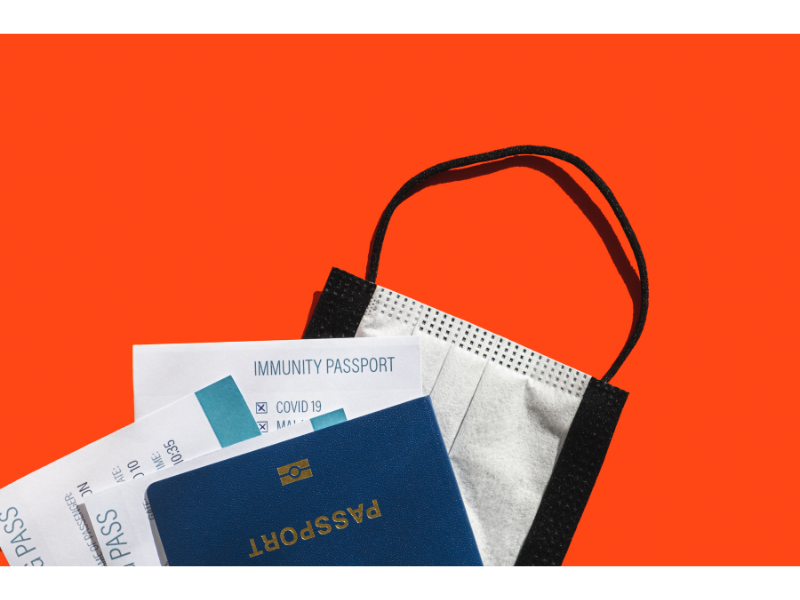
During the COVID-19 pandemic, the travel industry - alongside many other industries - grappled with unprecedented challenges, prompting urgent adaptations to navigate through uncertain times. Now, as we reflect on this, it's crucial to discuss strategies for not just recovery but also for innovation, whilst rebuilding trust and excitement.
By addressing these issues head-on, we can shape a travel industry that's more adaptable and more resilient than before, catering to travellers much more specific needs in 2024.
Journeying Before the Pandemic
Before we look to the future of the travel industry , it's important to reflect on how it was pre-pandemic, and how it affected our economy. Between 1995 and 2019, international tourist trips from Europe alone increased by 193.395%. Alongside this growth, in 2019 the Travel and Tourism industry accounted for 10.4% of global GDP, equating to around $10.3 trillion.
It isn't just the economy that travel has an impact on, it's us as individuals. Travelling has a huge impact on our overall life satisfaction. Research shows that frequent travellers experience a 7% increase in the overall life satisfaction, compared to those who travel less often. Moreover, today's traveller expects flexibility around their enjoyment and for their travel booking to be as adaptable as any other service they buy.
Naturally, when this source of happiness is taken away from us, things can take a negative turn. Nevertheless, we persevere!
The Travel Industry’s Journey Through the Pandemic
On 23 March 2020, the UK government declared lockdown, as did many other countries around the same time. In the UK, the economy faced a loss of £22.2 billion as a consequence of COVID, largely due to the lack of tourists. Globally, however, the Travel & Tourism sector experienced a staggering loss of nearly $4.5 trillion in 2020 as a result of the COVID-19 impact.
Due to the speed of COVID's onset, many travel providers were unprepared and left their customers unsatisfied and in the dark for a long time. Some airlines, including EasyJet, urged customers to settle for credit notes instead of receiving a refund. Whilst many people did opt for vouchers, they were unusable for quite some time (due to the pandemic returning with different variants) and as of Monday 5th February 2024, the vouchers expired. The total amount of vouchers that were not redeemed pre 5th February equated to around £58 million.
At the height of the pandemic, from mid-March to mid-July, revenue from passengers booking flights fell by more than 94% in April 2020 compared to the year before. Despite the revenue losses, people were still finding ways to experience new adventures with the rise of "staycations". The term experienced a surge in popularity in the UK, with a year-on-year growth exceeding 500% in 2020.
As lockdown restrictions eased, holiday-goers still found themselves gravitating towards domestic travel. It did, in fact, reach its height in 2021, a year after the peak of the pandemic. A total of 96% of the UK's travel and tourism expenditure was through domestic travel.
The appeal of a staycation meant that, in uncertain times, people could still enjoy a break. With the economy struggling and many people being furloughed, on reduced hours or made redundant, staycations offered the well needed break during a global pandemic; the appeal of reduced costs and travel time is something that has continued to date.
Sustainable Practices in the Post-Pandemic Travel Industry
The pandemic certainly awakened the debate about sustainability. Due to global lockdowns, the earth found itself recovering from high levels of urban air pollution. As a result of these lockdowns, CO2 emissions decreased by 17%, as well as road traffic in the UK falling by more than 70%.
These figures may seem impressive but, it was too short lived to reverse decades of harm to the planet. It did however, promote sustainability and spark the conversation of how we can be more environmentally and socially conscious, especially when travelling. Sustainable tourism is a concept that has gained momentum post-pandemic; after having personally experienced financial loss and rigid industry policies that don't seem logical in today's flexible world, may travellers want their sustainability options to extend beyond carbon-offsetting.
The aviation industry is also encouraging sustainable practices. With the rise of AI, airlines are optimising flight routes, leading to greater fuel efficiency and fewer delays, thereby reducing environmental impact.
As well as the help of AI, airlines are taking it on upon themselves to find more sustainable options. Wizz Air, a Hungarian ultra low-cost carrier group, have partnered with the British sustainable aviation company Firefly to develop a process to convert treated sewage into sustainable aviation fuel.
The pandemic, while devastating, has served as a catalyst for recognising the critical importance of sustainability and sparked much debate around the root cause of non-sustainable travel. Beyond fossil fuel consumption, both individuals and organisations are looking at how to improve their sustainability metrics from the decision-making process around travel and policy creation around this such as the University of Edinburgh's mandate.
Lessons from the Pandemic: How the Travel Industry is Evolving for the Future.
A rise in peer-to-peer interactions has emerged from the pandemic, as people crave more personalised and authentic travel experiences compared with the conventional tourism they were so familiar with. Platforms such as TransferTravel.com epitomise this evolving mindset, offering solutions for unused bookings, flexibility and spontaneity, all while fostering a community driven approach. Furthermore, since launching in 2016, the platform has facilitated the processing of over $10,000,000 worth of unusable travel plans; a large majority of this money is being circled back into the travel economy. The model is simple - if you have non-refundable travel plans that aren't covered by your travel insurance policy, you can sell these on to a willing community buyer using airline, hotel and holiday companies name change options. You get most of your money back and the buyer grabs a bargain getaway while the plane, nor hotel, don't suffer from empty seats.
As a reaction to the pandemic, numerous airlines introduced ticket options allowing changes or cancellations in case of COVID-19 related disruptions to travel plans. As of early 2023 - nearly 3 years after the height of the pandemic - flexible flight options were still available with various carriers. This, however, had recently changed and airlines are reverting back to their old ways, making it harder for people to change their bookings.
In light of this, it does raise the question: if airlines were able to accommodate for these changes, without suffering financially, then why can't they maintain this flexibility moving forward? With life's ever-evolving nature, it seems likely that we need travel plans to keep in line with this.
As we continue to travel more and more, the call for adaptable and sustainable travel solutions becomes ever more apparent. It's crucial for the travel industry to embrace responsiveness, adaptability , convenience and social responsibility as it's main principles for driving growth and customer satisfaction. By prioritising these tenets, the industry at large can build a travel community that not only withstands future disruptions but also thrives, catering to the ever-growing needs and preferences of travellers while safeguarding the planet and the pockets of both businesses and consumers.
Thoughts? Want to talk about working together? I’d love to hear from you. Email me. at molly.taylor@transfertravel.com or talk to me on LinkedIn.